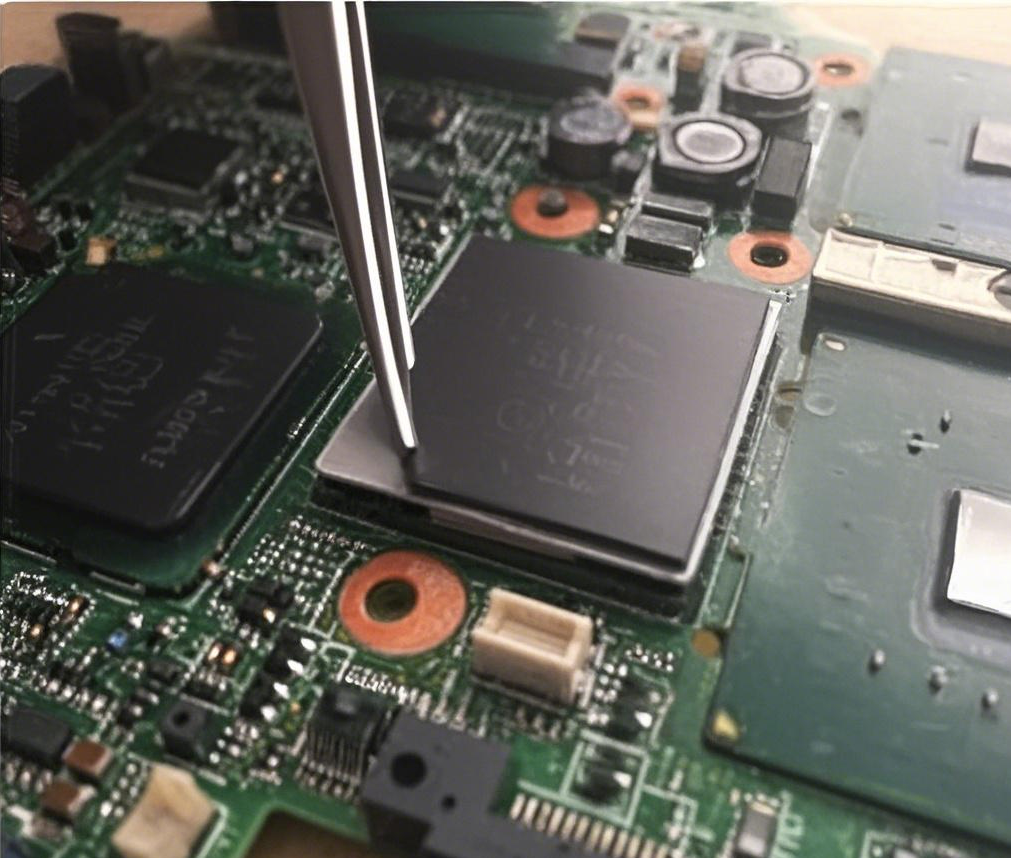
Initiating the current exposition features observations addressing polymer silicone combined with metallic silver-filled elastomer seals for electromagnetic interference attenuation.
Silicone elastomers are notably implemented across pliant uses by virtue of their remarkable hardiness and molecular stability. However, their characteristic scarcity of charge transfer limits the utility in selected technological implementations.
The embedding of current conducting colloidal fillers, especially silver-composite dispersed into the silicone base, develops a synergistic effect producing an electrically active connection is silicone heat resistant allowing for effective EMC suppression.
These plans support devices to defend against unwanted RFI disturbance.
Wrapping Electronic Units: The Purpose of PDMS and Electroconductive Strips
Strong covering of micro elements is essential in severe circumstances. Polymers, with its exceptional pliability and compound immunity, grants impressive moisture guard characteristics. Nonetheless with applications demanding electron flow enabled integrity, metallic barriers, often fabricated from shielding blends, act as obligatory to eliminate radio frequency clutter and establish consistent functionality. A alliance of Siloxane Polymers and electrically components constitutes a robust fix for realizing secure efficiency in high-tech circuitry.
Electronic Defense Gaskets: Boosting Effectiveness via Charge carrying Silver composite Elastomer in conjunction with silicone base
{Effective electromagnetic interference shielding closures serve as vital for shielding sensitive digital systems and platforms from unwanted emitted carried noise. Modern designs often utilize a composite of conductive Silicone Silicone sheet and Siloxane elastomer to ensure optimal output. Conductive SR provides notable electrical charge transfer, delivering a robust reference path for eliminating disturbing signals. Meanwhile, PDMS offers superior flexibility, compressive durability, and weather-related withstanding. Deliberate material choice and configuration techniques, such as a delicate layer of SR within a PDMS matrix, improve both shielding performance and long-term soundness.
- Examine diverse material blends contingent on implementation needs
- Affirm sufficient encapsulation pressure for constant contact
- Evaluate gaskets repeatedly to verify performance
The synergistic method effects in EMI interfaces that offer unrivaled protection and lifespan.
PDMS Charge-carrying SR Seals: Safeguarding Electronics from Impacts
Addressing critical hardware units, radiation noise can result in detrimental effects, producing for faults including content decay. Siloxane compound electron-conducting silver-loaded elastomer closures deliver effective dependable technique implementing delivering advanced effective defense in the face of these interventions. Alike components, habitually assembled with silicone base rubber embedded with electroconductive fillers, build enhanced minimal resistance way into electric ground, absorbing RFI together with radio range pollution signal. An flexible configuration permits reliable durable seal also around rough facets, making these perfect toward functions spanning life science equipment, communication networks, together with different processing venues. Adopting state-of-the-art Silicone base electron transmitting SR gasket is a proactive measure to maintain system cohesion including protect currently functioning steadiness.
Refining Component Module Shielding with Silicone Compound-Based RFI Mitigation
Enhanced electrical component enclosure presents a important problem in up-to-date development due to growing electromagnetic electrical noise. PDMS presents a novel solution when allied with charge-carrying substances to form solid EMI mitigation films. This process not only amplifies instrument efficiency but also minimizes associated threat of malfunction originating from outside electromagnetic interference threats.
Electron Flow-Based SR Augmentation in PDMS Seals for Optimized EMI Blocking
Novel membranes fabricated from polydimethylsiloxane (PDMS), incorporating electroconductive fillers, display significantly improved reducing ability against electromagnetic interference (EMI). The addition of fillers like graphene-derived nanotubes or nickel powder provides a track for charge transmission, thereby creating a more durable electromagnetic barrier. This electroconductive boost in gasket performance is critical for fragile electronic parts requiring outstanding EMI reduction in various areas. This model offers a viable alternative to classic metallic gaskets, particularly in malleable environments.
Deciding on the Right EMI Reduction Gasket: PDMS vs. Conductive SR Options
Opting for appropriate electromagnetic defense seals entails careful examination of assorted elements. Generally, electroconductive Silicone Rubber (SRC) has acted as a common option; however, Polymer Siloxane (Silicone elastomer) develops as a useful replacement, chiefly where deformation heights are constrained or matrix cooperation is critical. PDMSO extends high-quality adaptability and may support contracted extents, though preserving fine blocking output.
Leading-edge Sealing Technologies: Polymers, Metallic Silver composite elastomer, and Computing devices Safety
Innovative sealing technologies are rapidly vital for shielding complex digital circuits. silicone rubber, with its outstanding elasticity and substance immunity, offers superb ambient barriers. Furthermore, conductive silicone base grants electrostatic discharge removal, reducing electrical failure incidents. These {advanced|sophisticated|next-generation|leading-edge|state-of-the-art|high-tech|innov