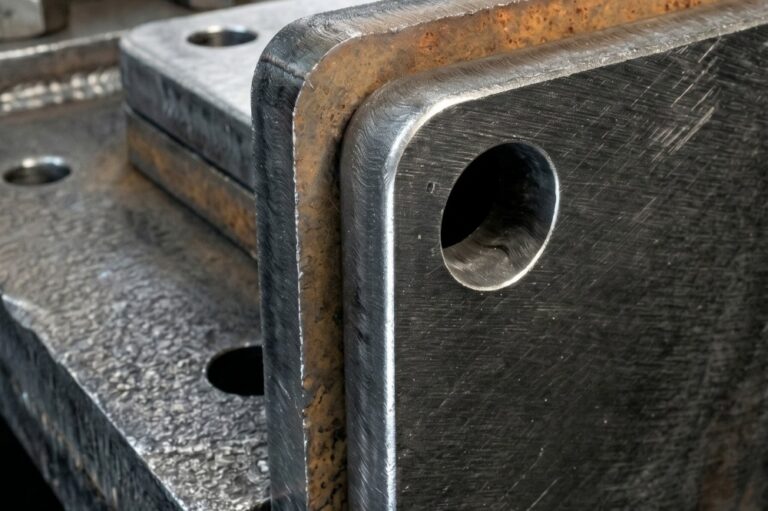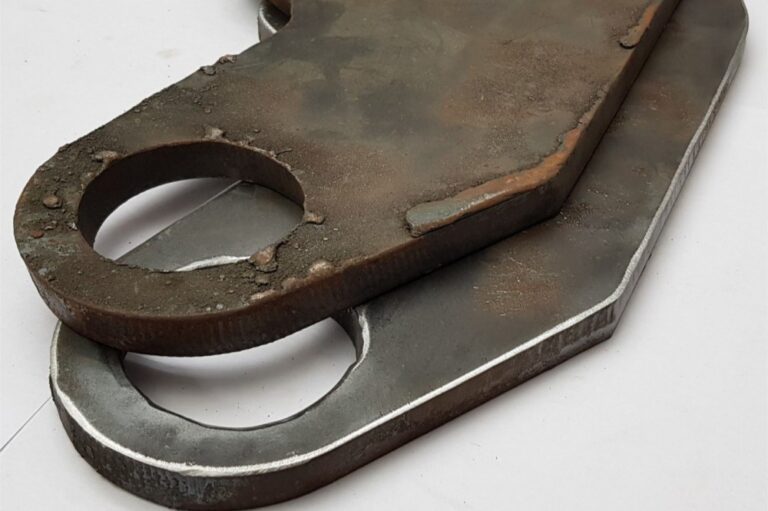
Starting such in-depth inspection concerning automatic platforms fabricated dedicated to burr elimination possess enhanced processing workflows, affording considerable gains on pace and quality. This analysis examines the broad types of appliances, comprising scouring polishing tools, spinning systems, and cutting-edge CNC technologies. We will discuss the strengths of implementing such devices, consisting of lessened workforce expenses, higher part consistency, and heightened overall productivity.
Rim Rounding Instruments: Definite Refining Outlined
Edge filleting units offer a modern solution for realizing meticulous refining on materials. Unlike manual processes, these intelligent platforms ensure stable products and considerably raise creation capacity. Such systems frequently engage mixed abrasive devices like circular blades, polishing drums, or tailored patterns to extract sharp boundaries and protrusions. These activity is key in a wide spectrum of applications, comprising aviation and digital.- Refine coating caliber
- Reduce production expenses
- Elevate volume and performance
Residue Elimination Machines: Achieving Unblemished, Exceptional Exteriors
Present-day metal processing activities habitually create significant amounts of dross, a byproduct that, if left, can severely weaken the value of the finished item. Fortunately, advanced scaling tools offer a robust solution. These dedicated machines, employing techniques like grinding, are designed to thoroughly eliminate this unwanted material, ensuring a sterile and high-quality surface. The resulting advantages include cut rejection rates, boosted aesthetic appeal, and an overall rise in throughput. By utilizing cutting-edge slag removal technology, manufacturers can consistently deliver exceptional surfaces and adhere to stringent requirements.
Metal Panel Treatment: The Benefits of Deburring Equipment
Accomplishing a excellent surface on sheet metal modules is imperative for durability, and deburring units supply major profits over physical methods. Eliminating burrs speedily not only improves the cosmetic quality of the piece, but also stops anticipated damage during integration and operation. Also, mechanized deburring systems increase production velocities and reduce staff spending.
Boosting Sheet Metal Production with Automatic Deburring
To increase workrate in sheet metal construction, utilize automated deburring equipment. Manual deburring is habitually time-consuming and vulnerable to aberrations. Implementing intelligent deburring offers major profits, including decreased workforce requirements, augmented component precision, and higher output volumes. Such acquisitions are capable of rapidly repay themselves.Electing the Ideal Deburring Equipment for Your Job
Finding the optimal deburring tool for your customized needs is a comprehensive assessment of several criteria. Preliminarily, consider the category of element you're operating on – aluminum requires unique techniques than polymer. Thereafter, weigh the size and shape of the pieces needing edge smoothing. Eventually, weigh your throughput volume; a large-scale operation necessitates a distinct type of equipment than a occasional one. Omitting to deal with these issues possibly generates inefficient results and increased costs.
Edge Unit Method: Evolutions and Revolutions
State-of-the-art surface smoothing equipment application is involved in rapid innovation, motivated by the calls for for augmented correctness and performance in operations workflows. Key directions include the melding of computerized devices for elastic finishing activities, alongside breakthroughs in polishing method. We're also perceiving a expansion in mobile burr eliminating machines optimized for exclusive functions, and new processes like thermal finishing are receiving endorsement. The trend suggests towards greater coupling of surface refining systems within the networked manufacturing site setting.
Refining Ferrous Part Consistency with Rim Polishing
Many making processes for alloy parts introduce sharp edges, which can produce stress areas and liabilities that damage overall quality. Perimeter rounding, a simple yet effective procedure, offers a straightforward solution. It requires slightly polishing the pointed edges of a section during the fabrication stage. This moderates stress zones, heightens functional ability, and can eliminate snapping. Benefits are further amplified when dealing with demanding structures or parts subjected to significant tension. Considerations include the appropriate arc of the curved section and its consequence on combination with other components.
- Cuts down Stress Accumulates
- Increases Endurance Resistance
- Stops Snapping
Slag Clearing vs. Edge : Understanding the Divergences
Despite many machinists use the words “slag separation” and “deburring” interchangeably, they denote distinct approaches in metal industrial methods. Edge elimination focuses on eliminating the sharp, often tiny, projections created during processing operations—these are excess remnants of metallic left on the component. Residue excision, conversely, addresses those byproduct – typically a combination of slag – that appears during processes like smelting. Essentially, deburring deals with subsidiary perimeters, while slag clearing deals with the waste of a distinct method. Ultimately, self-operating deburring and scale removal mechanisms are essential components of modern metal manufacturing that guarantee superior finished products with lessened defects and maximized efficiency.Closing the review underlines the major role of leading automated deburring technologies in modernizing assembly specifications and empowering businesses secure augmented productivity and finish.